 01752 744010


Tunnels Beaches
Family FunA network of tunnels, hand-carved in the early 19th century, leading to a selection of sheltered beaches and Victorian tidal pool.
Hidden within the cliffs of Ilfracombe lies one of the town’s most remarkable landmarks — the Tunnels Beaches. Though now closed to the public following a recent landslide, these hand-carved passageways remain an enduring symbol of Ilfracombe’s Victorian past and seaside heritage.
Back in the 1820s, local entrepreneurs saw the potential of Ilfracombe’s rugged coastline and hired Welsh miners to carve tunnels through the solid rock. It took two years of back-breaking work to complete the passageways — over 960 cubic metres of stone were removed entirely by hand — creating safe access to once-secluded coves. These became the Ladies’ and Gentlemen’s Bathing Beaches, each with its own tidal pool built between the natural rock formations.
Sea bathing was all the rage in Victorian Britain, believed to boost health and vitality. Strict etiquette ruled the day: men and women bathed separately, and a bugler stood watch between the pools ready to sound the alarm if anyone strayed where they shouldn’t! Bathing machines — wooden huts on wheels drawn by horses — allowed visitors to step discreetly into the water while maintaining the height of modesty.
By the mid-19th century, Ilfracombe had transformed from a small fishing village into a thriving resort, thanks in large part to these tunnels. They became a focus for leisure and spectacle, drawing crowds to watch Professor Harry Parker, the famous “amphibious” swimmer and escape artist, perform his daring aquatic stunts in the tidal pools.
More than just a feat of engineering, the Tunnels Beaches helped shape Ilfracombe’s identity — a place of health, innovation, and seaside adventure. Though closed today, the tunnels still stand as a testament to Victorian vision and determination, their story etched forever into the town’s history.
Location
Tunnels Beaches
Address
Bath Pl, Ilfracombe EX34 8AN, UK
What3Words ///park.wide.budgeted
Driving from our parks
- Lynmouth Retreat: 18.3 miles / 33 mins
 Rating
Reviews
Similar things to see and do
 Close to
Notter Bridge

Enrichment & Exploration Plymouth Arena
Plymouth Arena is the perfect venue to accommodate a broad spectrum of events including conferences, exhibitions, shows etc.
 This place is
usually open now.
 Close to
Notter Bridge
Canoeing Devil’s Point
Devil's Point Park offers spectacular views from the southern tip of the Stonehouse peninsula.
 Close to
Notter Bridge
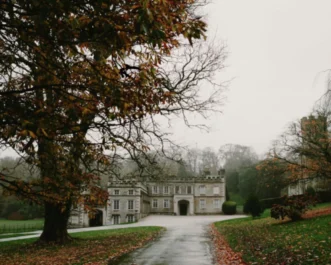
Traditional Hotspots Port Eliot Estate
Port Eliot is a stunning Grade-I listed stately home and priory, remodelled by Sir John Soane in the 18th century.
