
 01752 744010


10 Reasons to Visit the Tamar Valley This Autumn
The summer crowds have gone home. The lanes are quiet again. And down in the valley, the oak and sweet chestnut woods are turning every shade of copper and gold.
Autumn is when the Tamar Valley is at its most itself. It’s a place J.M.W. Turner came to sketch, and it’s easy to see why: wooded slopes tumbling to a tidal river, old mining chimneys poking through the trees, and two great moors standing guard on either side.
We’ve been welcoming guests to this corner of the South West since 1988, from our two parks right in the thick of it. Notter Bridge sits beside the River Lynher, a short hop from Saltash. Tamar View looks out across the valley itself. Both are quiet, dog-friendly and, frankly, at their best when the evenings draw in.
Here are ten reasons we think September, October and November are the best months of the year to come and see it for yourself.


1. The woods turn copper and gold
The Tamar is one of the most wooded river valleys in the South West, and autumn is its big moment. Oak, ash and sweet chestnut crowd the riverbanks and set the whole valley glowing.
The best place to see it is Cotehele, the National Trust’s medieval house on the Cornish bank. Wander down through the woods to the old quay, then follow the stream to Cotehele Mill. In autumn, the Mother Orchard (more than 300 trees and 125 heritage apple varieties) is heavy with fruit.
From the park: Cotehele is a short drive from Tamar View, and an easy morning out from Notter Bridge.

2. Walking Country, Whatever your pace
The Tamara Coast to Coast Way runs 87 miles from Cremyll, overlooking Plymouth Sound, to Marsland Mouth near Morwenstow on the north coast. It follows the Tamar from sea to source and takes around seven days in full.
You don’t need to do it all to see the beauty. Pick a stretch along the river, through the old mining country, and be back in time for lunch. Autumn is ideal: cooler air, quieter paths and the trees at their best.
From the park: both parks make a handy base for walking the southern sections as day walks. Your dog will thank you.
3. Two Moors on the doorstep
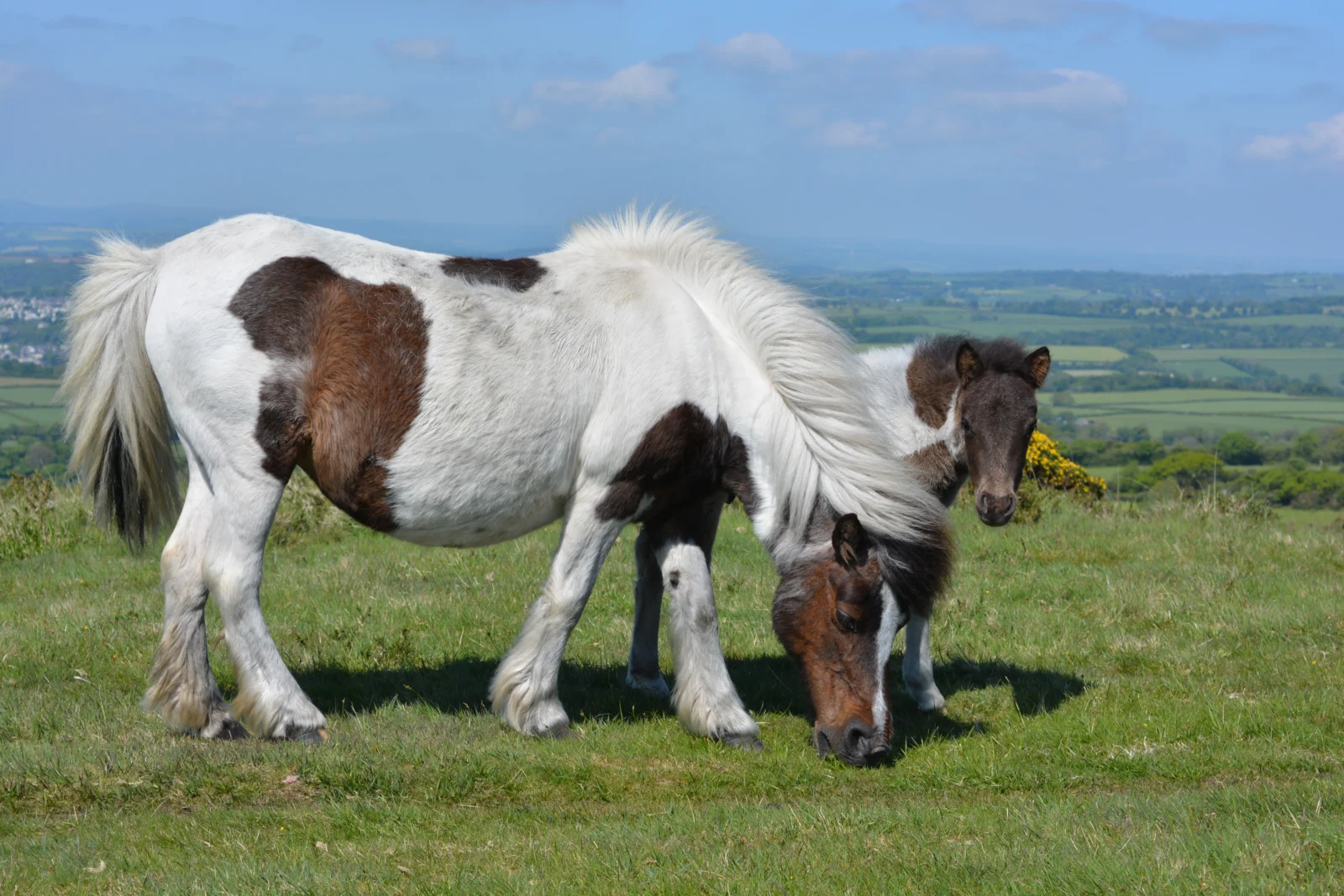
The valley sits between Bodmin Moor to the west and Dartmoor to the east. In autumn the bracken turns russet and amber, and the views go on for miles.
Moorland weather changes fast, so pack layers, download a walking app and a fully charged phone. When the mist comes down, it’s easy to lose your bearings.
From the park: Tamar View is around 30 minutes from Dartmoor. Make a day of it, then come back to a hot tub and a valley view.

4. Rivers full of life
Three rivers shape this landscape. The Tamar marks the border between Devon and Cornwall. The Tavy tumbles down from Dartmoor. And the Lynher, which runs right past Notter Bridge, rises on Bodmin Moor.
As they near the estuary, the tidal mudflats come alive. Look out for kingfishers, little egrets and wading birds such as avocets and black-tailed godwits, which gather here in the colder months. The old mines are also home to greater horseshoe bats, one of the UK’s rarest mammals.
From the park: at Notter Bridge, a riverside wander is right on your doorstep. Bring binoculars.

5. Beaches without the crowds
The coast is never far away. Whitsand Bay offers long, wide sands below dramatic cliffs. Kingsand and Cawsand, two pretty villages side by side, have smaller sheltered beaches and a proper sense of calm once summer ends.
Autumn is the season for dog walkers, too. Many beaches lift their summer dog restrictions from October.
From the park: Whitsand Bay and Kingsand are around 30 minutes from Notter Bridge.

6. A slow train through the Valley
The Tamar Valley Line runs from Plymouth to Gunnislake, and it’s one of the loveliest short rail journeys in the country. The highlight is Calstock Viaduct: twelve arches standing 120 feet above the river, with the village and quay far below.
Hop off at Calstock for a riverside stroll, or at Bere Ferrers and Bere Alston to explore the quiet Bere Peninsula. Leave the car behind and let someone else do the driving for a change.
From the park: Gunnislake station is close to Tamar View [6 min drive], and a short taxi ride from Notter Bridge [23 min drive].

7. Market towns and cosy pubs
Tavistock, on the edge of Dartmoor, is an old stannary town with a pannier market and riverside meadows beside the Tavy. Launceston, the ancient capital of Cornwall, has a medieval gate and castle ruins above independent shops. Saltash, beneath the Royal Albert Bridge, has a waterside that’s perfect for a late-afternoon wander.
In between are village pubs with open fires, ideal after a wet walk. And if you fancy a dose of city life, Plymouth’s Barbican is close by.
From the park: Saltash is minutes from Notter Bridge; Tavistock is an easy drive from Tamar View.

8. A landscape built on mining
Much of the valley forms part of the Cornwall and West Devon Mining Landscape World Heritage Site. Engine houses and chimneys still stand among the trees, slowly being reclaimed by nature.
Morwellham Quay tells the story of the port that once shipped copper down the Tamar. Across the river, the Bere Peninsula is wonderfully peaceful, with walks around Lopwell Dam on the Tavy.
From the park: Tamar View is in the heart of the old mining country. Our lodges are named after places nearby, including Morwellham and Cotehele, so you can tick off the namesakes.

9. Big skies, day and night
Kit Hill rises 334 metres above the valley, with views from Dartmoor to Bodmin Moor. It was gifted to the people of Cornwall in 1985 to mark the birth of Prince William, and its old mining stack is a landmark for miles around.
As the clocks go back, the evenings belong to the stars. Away from the city lights, the night sky over the valley is surprisingly dark.
From the park: no loud entertainment, no arcade lights. Just step outside your lodge and look up.
10. Coming back to a quiet park
This is our favourite part. After a day of muddy boots and wind-whipped cheeks, there’s nothing like coming back to somewhere peaceful.
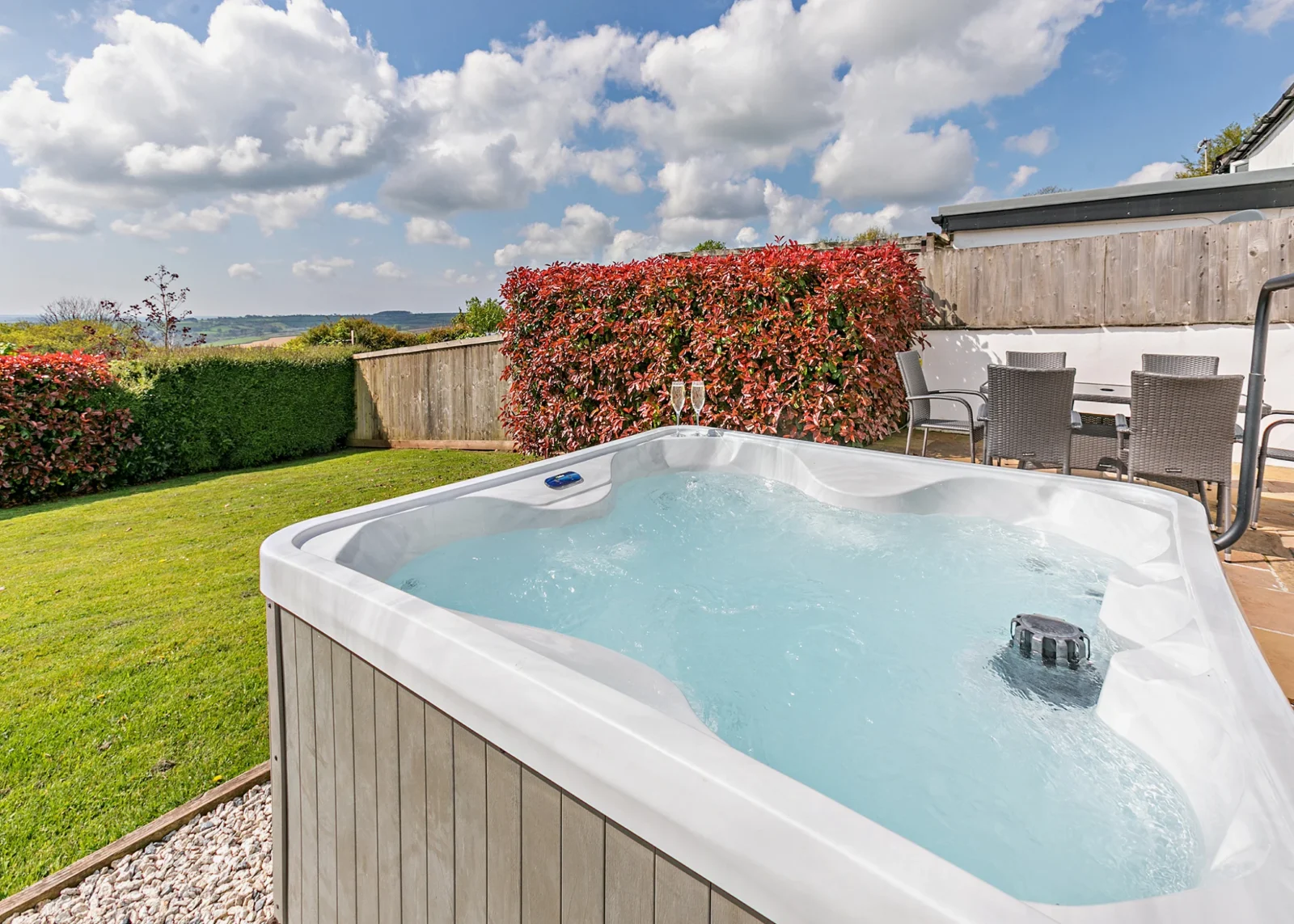
At Tamar View, most of our lodges and cottages have a private hot tub and sweeping views across the valley. At Notter Bridge, you’ll find riverside lodges, cosy glamping pods and our new Hazel Lodge, which sleeps six and has its own hot tub. All of our accommodation is dog-friendly, so the whole family can come.
Autumn here isn’t about doing everything. It’s about doing a little, then putting your feet up.
Frequently Asked Questions
When is the best time to visit the Tamar Valley in Autumn?
Mid-October to early November is usually best for autumn colour in the woods, though it varies with the weather each year. September brings quieter paths and milder days.
Is the Tamar Valley good for dog owners?
Yes. There are miles of woodland and riverside paths, and many beaches relax their summer dog rules in autumn. All accommodation at Notter Bridge and Tamar View is dog-friendly.
Are dogs allowed in Lynton and Lynmouth attractions?
Many outdoor areas such as the Valley of Rocks, South West Coast Path, and some shops and pubs are dog-friendly. However, some indoor venues like museums or tea rooms may have restrictions. Always check individual venue policies and keep dogs on leads in wildlife-sensitive areas.
Can you get around the Tamar Valley without a car?
Partly. The Tamar Valley Line runs between Plymouth and Gunnislake, stopping at Calstock, Bere Alston and Bere Ferrers. It’s a scenic way to reach walks and villages along the river.
How long is the Tamara Coast to Coast way?
It’s 87 miles, from Cremyll on Plymouth Sound to Marsland Mouth on the north coast. Most people take around seven days, but it’s easy to walk shorter sections.
Are your parks open in Winter?
Yes. Tamar View & Notter Bridge have an 10-11 season, so you can enjoy the valley well into the colder months. They will close early January and reopen in March.
How to Choose the Right Activities for Your Visit
Choose Based on Weather Conditions
When the sun’s out, make the most of the big views:
- Climb Kit Hill for a panorama stretching from Dartmoor to Bodmin Moor.
- Walk a section of the Tamara Coast to Coast Way along the river.
- From Notter Bridge, head to Whitsand Bay for long sands below the cliffs (around 30 minutes away).
When the rain rolls in, there’s still plenty to do:
- Cotehele’s medieval house is full of tapestries and old oak, and the woodland walk down to the quay is fairly sheltered [CHECK house opening days].
- Tavistock’s pannier market is good for a browse, with a warm café never far away [CHECK market days].
- The Tamar Valley Line is a rainy-day treat in its own right, crossing Calstock Viaduct high above the river.
- Plymouth’s National Marine Aquarium is a short drive away.
- Or you could simply stay put. Rain on the roof sounds rather good from a hot tub at Tamar View.
Choose Based on Fitness Level
Taking it easy: let the train do the work. The Tamar Valley Line runs from Gunnislake to Plymouth, with stops at Calstock and Bere Alston along the way. At Cotehele, there’s a buggy-friendly route around the garden and quay. Saltash waterside, just minutes from Notter Bridge, is flat and perfect for a gentle stroll.
Ready for a challenge: the Tamara Coast to Coast Way runs 87 miles from Cremyll to the north coast, so there’s no shortage of tough day sections. Tamar View is around 30 minutes from Dartmoor, where the tors offer proper hill walking. Moorland weather changes fast, so pack layers and a map. Closer to the coast, the circular walk around Rame Head pairs nicely with a beach afternoon.
Choose Based on Time Available
Half a day: a morning at Cotehele, a walk down to the quay, then back to the park for lunch with a view.
A full weekend: take the train to Calstock on day one and explore the village and riverside. On day two, choose between Dartmoor or the coast at Whitsand Bay and Kingsand. Finish with an evening by the fire in a local pub.
Which Activities Are Best for You?
- Choose the Tamar Valley Line if you want river views, a Victorian viaduct and no driving at all.
- Choose Cotehele if you love history, orchards and woodland walks down to an old riverside quay.
- Choose Kit Hill if you’re after the best views in the valley and a breath of fresh air.
- Choose Dartmoor if you’re a keen walker looking for wild open moorland.
- Choose Whitsand Bay if you need sea air, sand between your toes and plenty of space for the dog.
- Choose Tavistock if you fancy independent shops, a historic market and a good lunch.

Where to Stay Nearby

Otter Pod
Notter Bridge
 Decking
 Sleeps 2
 Pet Friendly
Otter – Ensuite Glamping Pod – Sleeps 2 Otter Pod is a perfect couple’s getaway Glamping Pod, comprising a cosy…

Tamar Cottage
Tamar View
Pet Friendly
 Hot Tub
 Views
Sleeps 6
Tamar Cottage is pet friendly, sleeping up to 6 guests, featuring two double bedrooms and a spare room with sofa…

Whitsand
Tamar View
Sleeps 4
Hot Tub
Views
Whitsand sleeps up to 4 guests, featuring a master double bedroom and a twin room.

Polperro Lodge
Tamar View
Pet Friendly
Hot Tub
Decking
Polperro Holiday Lodge is pet friendly, sleeping up to 4 guests and up to 2 pets, featuring a master double…

Hazel Lodge
Notter Bridge
3
Hot Tub
Pet-Friendly
Woodland Views
Hazel – Woodland 3 Bed Hot tub Holiday Lodge Hazel Lodge offers modern, pet-friendly accommodation complete with its own private…

Cotehele
Tamar View
Hot Tub
Pet friendly
Countryside Views
Sleeps 6
Cotehele sleeps up to a maximum of 6 featuring a master double bedroom with an ensuite shower and WC, and…



Top 5 Things To Do On A Rainy Day In Lynton & Lynmouth
Best pubs in Lynton and Lynmouth in North Devon


What’s On This October Near Notter Bridge & the Tamar Valley
Best pubs in Lynton and Lynmouth in North Devon
